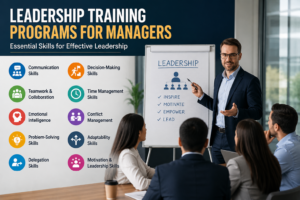
In today’s dynamic business environment, change is the only constant. To keep up, organizations must foster an agile workforce, equipped with the skills to adapt and excel. The cornerstone of this adaptability? Training. A well-crafted training program is not just a perk but a strategic investment that fuels growth for both employees and organizations.
The Dual Impact of Training
1. Empowering Employees
Training empowers employees by equipping them with the tools they need to succeed. When employees undergo regular training, they gain:
- Enhanced Skills and Knowledge: Training provides employees with up-to-date knowledge and industry-specific skills, making them more effective in their roles.
- Increased Confidence: Mastery of new competencies fosters confidence, enabling employees to take on challenges with ease.
- Career Advancement Opportunities: Training prepares employees for higher responsibilities, creating pathways for career growth within the organization.
2. Driving Organizational Growth
For organizations, training is a catalyst for achieving strategic objectives. Here’s how:
- Boosted Productivity: Well-trained employees are more efficient, reducing errors and increasing output quality.
- Improved Employee Retention: Organizations that invest in employee development demonstrate commitment to their workforce, leading to higher satisfaction and reduced turnover.
- Adaptability to Change: Training ensures employees are prepared to navigate industry shifts, technological advancements, and evolving market demands.
- Cultivating a Leadership Pipeline: Training identifies and grooms potential leaders, ensuring organizational stability and continuity.
Making Training Effective
To truly unlock the potential of training, organizations must adopt a structured approach:
- Identify Skill Gaps: Conduct regular assessments to pinpoint areas where employees need support.
- Customize Training Programs: Tailor training modules to meet both organizational goals and employee aspirations.
- Leverage Technology: Use e-learning platforms, webinars, and simulations to make training engaging and accessible.
- Measure Impact: Track progress through feedback, performance metrics, and post-training evaluations.
The ROI of Training
Investing in training yields tangible returns for organizations. According to research, companies that prioritize employee development see:
- 24% higher profit margins.
- 218% higher income per employee.
- Significant improvement in customer satisfaction metrics.
Take the First Step
In a competitive landscape, the question isn’t whether you can afford to train your employees—it’s whether you can afford not to. Organizations that prioritize training are not just investing in their workforce but in their future.
Employees thrive when they’re equipped with the right skills, and organizations flourish when they’re powered by capable, motivated teams. It’s a symbiotic relationship that paves the way for sustained success.
Let’s view training as an investment in growth, innovation, and excellence. The time to act is now—start building a future-ready workforce today.
What’s your take on the importance of training? Have you seen its impact in your career or organization? Let’s discuss in the comments!