
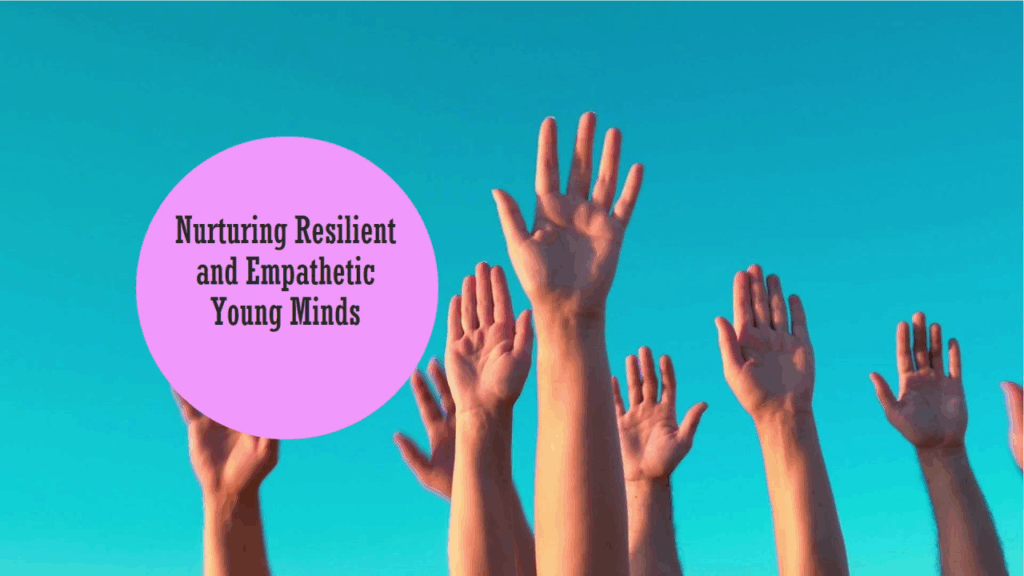
In a world that often demands perfection, children today are shouldering an overwhelming amount of pressure. Expectations from academics, extracurricular activities, social circles, and family create a challenging environment that can take a significant toll on their mental health. Yet, mental well-being is often overlooked, leaving many children to navigate their emotions alone.
The Hidden Impact of Words
One of the most insidious challenges children face is the emotional weight of seemingly trivial remarks. Parents, teachers, and peers may unintentionally deliver comments like, “Why can’t you be like your sibling?” or “You’ll never succeed if you don’t try harder.” While these words may be said in passing, their impact can be long-lasting, chipping away at a child’s self-esteem and sense of self-worth.
For children already grappling with pressure, such remarks can become the seeds of self-doubt, leading to feelings of inadequacy, isolation, and in extreme cases, thoughts of self-harm or suicide. The mental scars left by unkind words often go unnoticed until they manifest in destructive ways.
The Need for Early Intervention
Mental health awareness must begin early. When children are taught to identify and manage their emotions, they develop the resilience needed to face life’s challenges. Equally important is teaching empathy—helping children understand how their words and actions impact others. A supportive and understanding environment can work wonders for a child’s emotional development.
Workshops and programs aimed at fostering emotional intelligence are essential in this Endeavor. These initiatives can:
- Encourage Emotional Awareness: Teach children how to recognize and articulate their feelings.
- Build Empathy: Help children understand and respect the emotions of others.
- Support Caregivers: Equip parents, teachers, and peers with the tools to communicate effectively and positively.
Empathy and Emotional Intelligence: The Foundation of Humanity
When mental health is prioritized during childhood, the ripple effects are profound. Children who grow up in empathetic environments learn to handle stress better, form healthier relationships, and contribute positively to society. By nurturing their emotional well-being, we’re not just raising happier children but also building a kinder, more compassionate future.
The emotional health of children is everyone’s responsibility. Schools, parents, and communities must work together to create safe spaces where young minds feel valued, understood, and supported. At Navigate Growth, our workshops are dedicated to helping children and caregivers understand the importance of mental health, emotional intelligence, and empathy.
Let’s start today. Because every word matters. Every emotion matters. And every child matters.
Together, we can ensure that the children of today grow into the empathetic, resilient, and compassionate leaders of tomorrow.
Contact Us: 9956998880/7007126211